
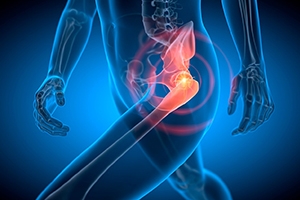
A sore hip after a long hike or a weekend of yard work usually settles with a few days of rest. When the ache lingers for weeks, wakes you at night or starts changing the way you walk, your hip is asking for attention. If you live in Spokane, WA or Coeur d'Alene, ID, these are the symptoms and timing signals that suggest it is time to see a hip surgeon.
When Ordinary Hip Soreness Becomes Persistent Pain
Short lived soreness from overuse is common and often improves with rest, ice and over the counter medication. Persistent hip pain is different. If your pain has lasted several weeks, keeps returning with the same activities, or is slowly getting worse despite home care, a specialist evaluation can identify the cause before it limits you further.
Where You Feel the Pain Matters
Hip pain felt in your groin or deep inside the joint usually comes from the joint itself. Groin pain is the most common symptom of hip arthritis, and it can spread to your thigh, buttock or even your knee.1 Pain on the outside of your hip or upper thigh more often involves muscles, tendons or bursae, as with trochanteric bursitis or hip tendonitis. Pain in your lower back can also travel to the hip area.
Symptom Red Flags That Call for a Hip Specialist
Watch for these signs. Any one of them is a good reason to schedule an evaluation:
- Pain at night or at rest. Arthritis pain often begins with activity, but over time it can appear during rest or at night.1
- Stiffness that limits daily tasks. Difficulty putting on shoes and socks, getting in and out of the car or bending forward suggests reduced joint motion.1
- A new or worsening limp. Changing the way you walk to protect your hip places added strain on your back and knees.
- Locking, catching or grinding. These sensations can point to cartilage damage or a hip labral tear.1
- Groin pain during twisting or deep bending. In active adults, this pattern can signal femoroacetabular impingement.
- A shrinking routine. Shorter walks, skipped outings and avoided stairs are signs your hip is setting the limits for you.
- Pain that home care no longer touches. If medication, rest and activity changes stopped helping, your hip deserves a closer look.
Risk Factors That Should Prompt Earlier Attention
Some situations make it wise to seek care sooner rather than later.
Steroid Use or Heavy Alcohol Use
Long term use of high dose steroid medications and excessive alcohol use are major risk factors for avascular necrosis, a condition in which part of the ball of the hip loses its blood supply.2 It often causes a dull ache or throbbing pain in the groin or buttock and is more common between ages 40 and 65.2 Early diagnosis matters, because conservative treatment and joint preserving procedures work best before the bone collapses.
A Previous Hip Injury
A past fracture or dislocation can damage nearby blood vessels and cartilage, raising your risk of later arthritis or bone loss.
When Hip Pain Needs Urgent Care
Some symptoms should not wait for a routine appointment. Seek emergency care if you have a fall followed by severe hip or groin pain, cannot bear weight, notice your leg looks shortened or turned outward, or develop hip pain with fever, chills and a hot, swollen joint. These signs can point to a fracture or infection.
Timing: Why Earlier Evaluation Helps
Seeing a hip surgeon does not mean you will need surgery. Many first visits focus on an accurate diagnosis and a structured plan of nonsurgical care, including physical therapy, activity changes and medication. Early evaluation helps you:
- Rule out conditions that need prompt treatment, such as avascular necrosis
- Start targeted therapy while your muscles are still strong
- Protect your back and knees from the strain of a long term limp
- Plan ahead if osteoarthritis of the hip is progressing
If your hip pain has gone on for several weeks, or any of the red flags above apply, that is a reasonable time to book an appointment.
What Happens at Your First Visit
Your evaluation begins with a conversation about your symptoms, a physical examination and X-rays of your hip. At our Spokane hip practice, your first visit is generally with the doctor personally, and we allot about 30 minutes so your questions get thorough answers. Bringing prior imaging and a list of the activities your hip limits helps you make the most of that time.
Frequently Asked Questions
When should you see a hip surgeon in Spokane and Coeur d'Alene, Idaho for hip pain?
If your pain lasts several weeks, wakes you at night, causes a limp or keeps returning despite rest, an evaluation is worthwhile. Our Spokane office also serves you if you live in Coeur d'Alene, Idaho.
Is groin pain a sign of a hip problem?
Often, yes. Groin pain is the most common symptom of hip arthritis.1
Can you see a hip surgeon without needing surgery?
Yes. Many visits lead to nonsurgical treatment first.
Should you worry about hip pain if you take steroids?
Long term steroid use raises your risk of avascular necrosis, so persistent hip or groin pain deserves prompt evaluation.2
What should you bring to your first hip appointment?
Bring your insurance information, a list of medications and any prior X-rays or MRI reports.
Taking Your Hip Pain Seriously
Persistent hip pain is a signal worth listening to. If symptoms are affecting your days in Spokane, WA or Coeur d'Alene, ID, you can request a hip evaluation and get clear answers about your next step.
References
- American Academy of Orthopaedic Surgeons. Osteoarthritis of the Hip. OrthoInfo. https://orthoinfo.aaos.org/en/diseases--conditions/osteoarthritis-of-the-hip/
- American Academy of Orthopaedic Surgeons. Osteonecrosis of the Hip. OrthoInfo. https://orthoinfo.aaos.org/en/diseases--conditions/osteonecrosis-of-the-hip/
Orthopaedic Specialty Clinic is a physician-owned orthopedic practice in Spokane dedicated to providing specialized care for hip, knee, and shoulder conditions. Led by fellowship-trained orthopedic surgeons, the clinic offers advanced treatment options ranging from minimally invasive procedures and joint replacement to sports medicine and rehabilitation. With a patient-centered approach and a focus on evidence-based care, Orthopaedic Specialty Clinic combines modern surgical technologies with personalized treatment plans to help patients restore mobility, relieve pain, and return to active living.
